America Turns 250!
America Turns 250!
On July 4, 1776, the Continental Congress approved the Declaration of Independence. This year marks the 250th birthday of the United States of America. The celebrations and fireworks displays should be bigger and more spectacular than ever to commemorate this quarter of a millennium event!
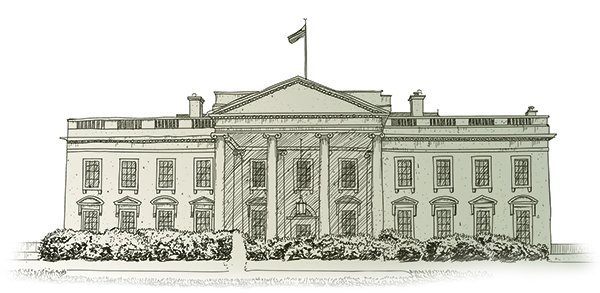
The White House
George Washington was the only U.S. president who never lived in the White House. The famous residence was not completed until 1800, after Washington died in 1799. But the first U.S. president did have a hand in designing and choosing the location of the White House, and he remained in the planning even after he retired from the presidency in 1797.
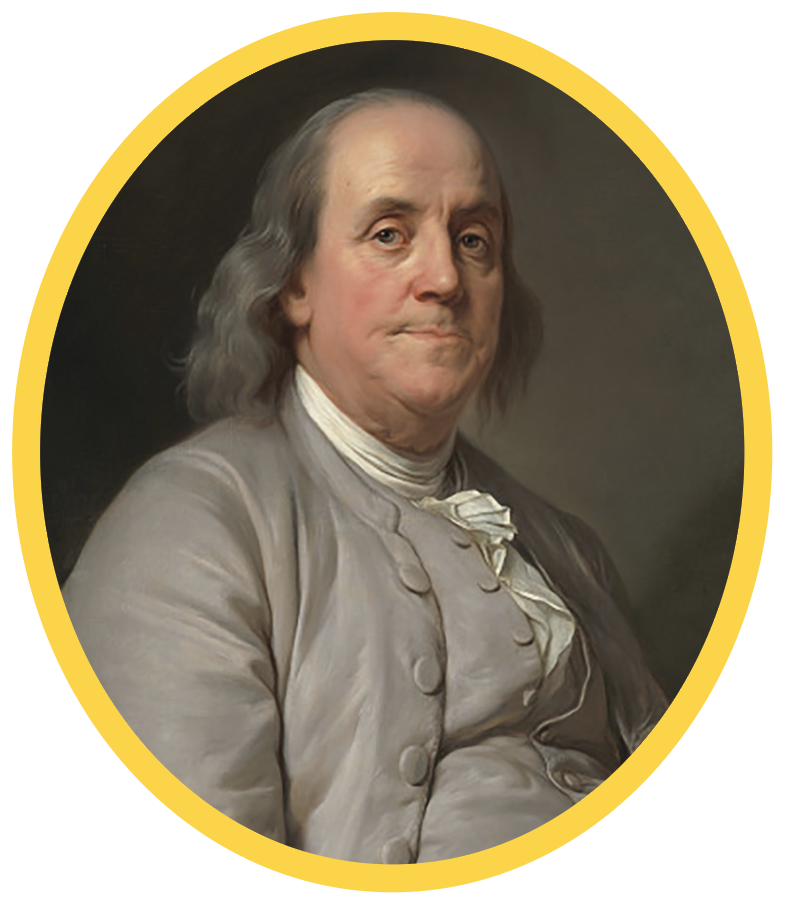
This portrait, painted by artist Joseph Siffred Duplessis, was finished in 1785.
Credit: National Portrait Gallery, Smithsonian Institution
Did You Know?
The second U.S. president, John Adams, helped draft the Declaration of Independence. The third U.S. president, Thomas Jefferson, was the principal author of the Declaration. The two men both died on July 4, 1826, on the 50th anniversary of the famous document.
However, Adams and Jefferson did not sign the Constitution. Both men were out of the country during the Constitutional Convention that happened in 1787. Adams was serving as an ambassador in Great Britain and Jefferson was an ambassador in France.
Benjamin Franklin was one of six people who signed both the Declaration of Independence and the Constitution. The others were George Clymer, Robert Morris, George Read, Roger Sherman and James Wilson.
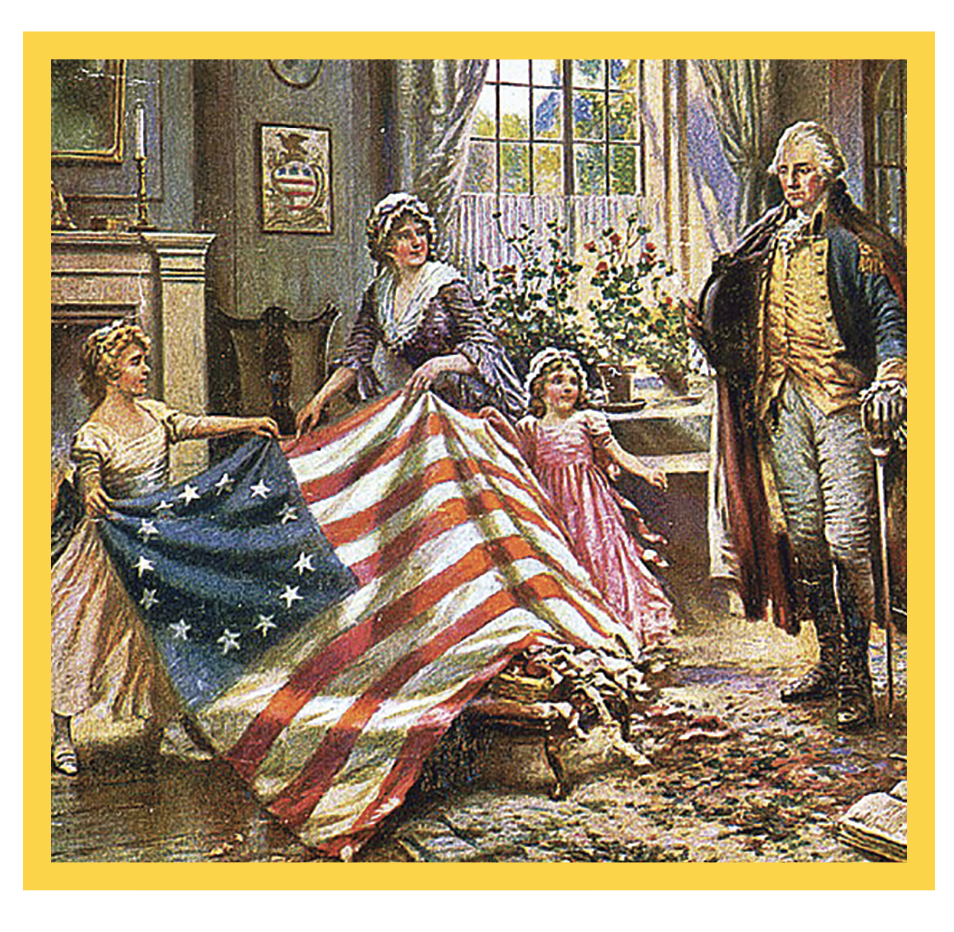
This painting was made in 1917 by artist Edward Percy Moran, and depicts the story of the first U.S. flag.
Credit: Library of Congress
Unfurling the Betsy Ross Flag
The always popular LEGO Lounge is back! This year, you can build and race your own LEGO cars. Check out the Arizona Pokémon GO Community Center at Fan Fusion. You are sure to see some of your favorite Pokémon, meet fellow trainers and possibly run into Team Rocket! The Pokémon GO Community Center will be in North 121A this year. The center will have charging stations, themed activities, prizes and more! All ages are welcome.
There is always fun for families at Sunset and Meteor’s Camp Carnival! Kids can learn how to draw their own K-pop characters, make mini-objects using 3D pens, or fashion a foam gauntlet in the Cosmic Academy, chill and play a retro game on the Switch in the Cozy Cove, play fun carnival games, or jump, spin and play in the Superhero Sensory Room.
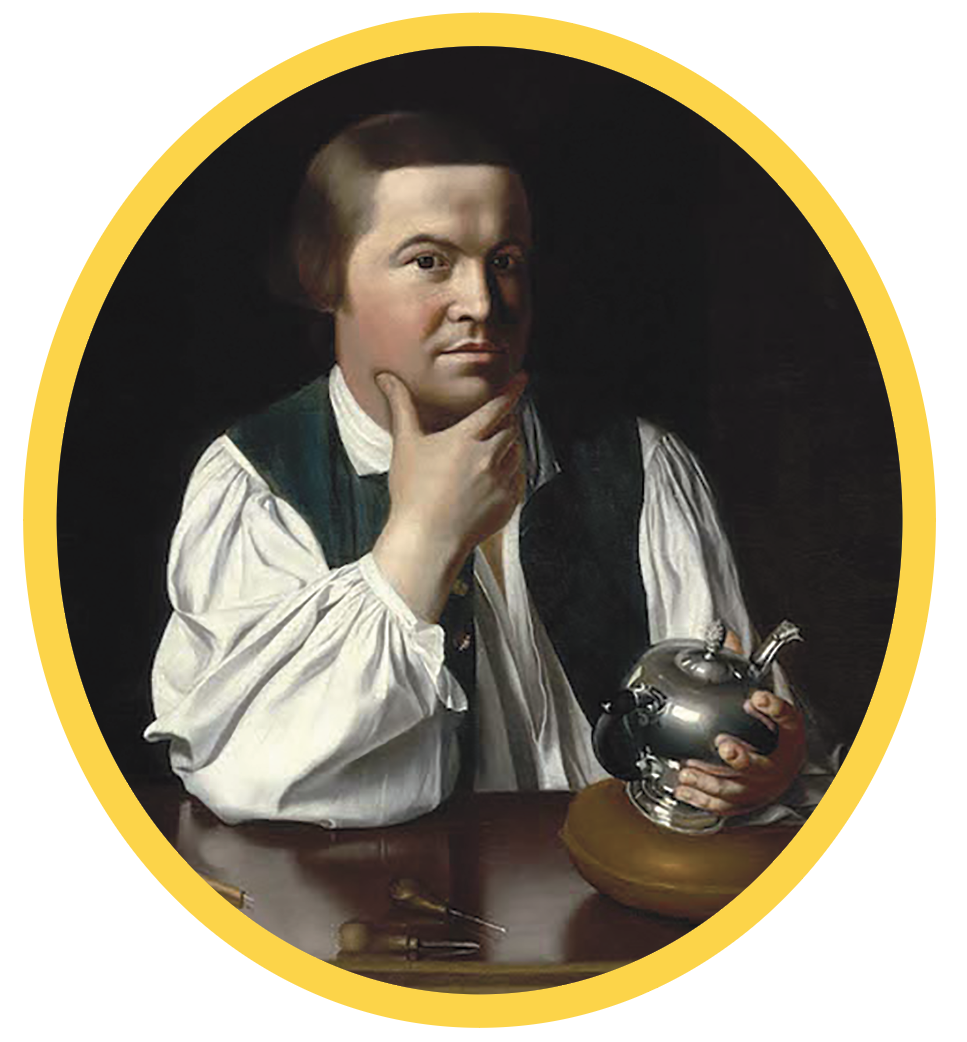
This portrait, painted by John Singleton-Copley, was finished in 1768.
Credit: Museum of Fine Arts, Boston
The Midnight Ride of Paul Revere
Paul Revere was a silversmith and engraver who lived in Boston. He was also part of the Massachusetts militia and is best remembered for a daring late night ride, made famous in a poem by Henry Wadsworth Longfellow.
Revere joined a group called the Sons of Liberty in 1765. He and other riders would gallop in the dark of night to share news about the movement of British troops. Revere had ridden out at least 18 other times before his most well-known excursion on a borrowed horse.
His fateful ride happened on April 18, 1775. Revere and William Dawes rode throughout Massachusetts to warn Samuel Adams and John Hancock that British soldiers were coming to arrest them and to take weapons and supplies from the local militia in Concord. The battles of Lexington and Concord started the Revolutionary War.
The Start of a Revolution
In 1765, the British Parliament passed a law called the Stamp Act which taxed newspapers, legal papers and printed items. The colonists were very unhappy about this tax, but in the following years more taxes were added to items like tea, glass and other goods. The folks in the colonies protested. You may have heard the phrase “No taxation without representation!”
Even though some of the taxes were later removed, a tax on tea remained. The Boston Tea Party, where colonists threw tea overboard from British ships into Boston Harbor, happened on Dec. 16, 1773. The British retaliated by sending more troops and enacting harsh laws and punishments.
The Continental Congress, with representatives from 12 of the 13 colonies, met in Philadelphia, Pennsylvania, in 1774. After the Revolutionary War started in 1775, a second Continental Congress met in Philadelphia in May of that year. It was decided that George Washington should lead the Continental Army. In July 1776, the Continental Congress approved the Declaration of Independence.
Ben Franklin Fun Facts
Benjamin Franklin was a man of many talents, most of them learned outside of the classroom. He only attended school for a few years before joining his family business and later working as an apprentice at his brother’s printing shop.
Franklin was an avid reader, writer and inventor. He also loved to swim! One of his early inventions was a set of oval, wooden hand paddles to help him swim across a river. He also experimented with fins.