
Birthday Customs around the Globe

Some days are meant to be great. An outstanding day for most kids is their birthday. It’s a time for fun, friends and family when the birthday child marks an important milestone. Read on to discover how birthdays are celebrated by young people around
the world!
How will you celebrate your next birthday? If you’re like most kids, it’s important to spend your birthday with your family and a few of your closest friends. Maybe you want to have your favorite food, and surely you want a piece of your favorite cake. Some kids have traditions that are special for their family. Birthday traditions around the world vary, like the different traditions in families.
If you think about it, birthdays are largely about recognition. Your friends and family want to let you know how great it is that you came into this world. They want to wish you the best of luck for the future and wish you many happy birthdays to come. The traditions of different countries are full of special recognition for birthday boys and girls.
From Flying Flags to Getting Crowned
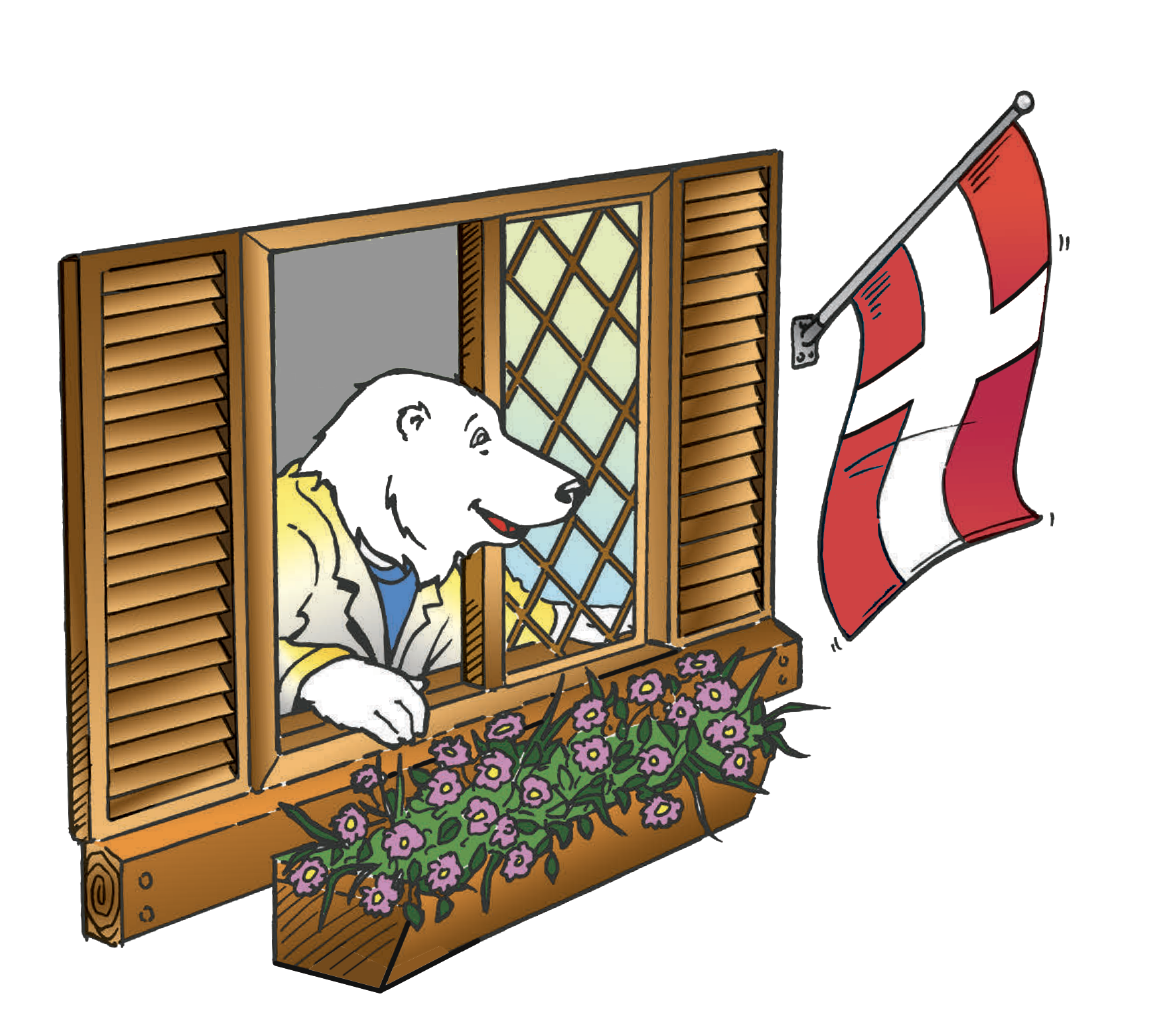
In Denmark, the national flag is flown outside of the house where someone is celebrating a birthday. The Danish flag, the Dannebrog, is also often used to decorate the cake!
In India, a child gets to wear new clothes for their birthday. In Israel, the birthday person wears a crown made out of flowers or leaves and sits in a chair decorated with streamers. The child’s parents lift the chair while the guests dance around them and sing. In all these countries the birthday person is the center of attention on their special day!
In Nigeria, special birthdays happen at ages 1, 5, 10 and 15. They celebrate these special dates with huge parties. The party guests enjoy a feast that may include a roasted cow or goat, a rice dish and cassava—a starchy root similar to a sweet potato.
In Ecuador an actual birthday may not have much FANFARE. Instead, a child celebrates on the day of the saint they were named for.

Celebrating Birthdays Asian Style!
In Korea, a party celebrating a birth is given early, before the first year is over. This celebration is held after the first 100 days following the child’s birth. Special attention is given to the baby for surviving what can be a difficult period in life for the mother and child.
Guests at these parties enjoy treats like rice cakes and wine as well as red and black bean cakes sweetened with sugar and honey. It is believed that if the rice cakes are shared with 100 people, the child will have a long life. But if a child is unwell during this time, it’s considered bad luck to have the party.
In Japan, birthdays are celebrated with much the same purpose as a time to give thanks that a young person has made it to a certain age. But in Japan, a child doesn’t celebrate on the day they were born. Instead, kids celebrate their third, fifth and seventh birthdays on Nov. 15, on a holiday known as Shichi-go-san.
Shichi-go-san means: seven, five, three in Japanese. Boys and girls might visit a Shinto shrine with their parents at age 3, then again when boys turn 5 and girls at age 7. Long ago, this occasion would mark the first time that a 5-year-old boy dressed in a samurai outfit called the hakama and was presented to their feudal lord. Girls first wore an obi, a traditional sash, at age 7.
In Hong Kong and in some Asian countries, noodles are served as part of the birthday meal. Long noodles are symbols of a long life.
Birthdays as a Measure of Maturity?
In many countries, a person’s birthday is significant because it indicates that a person is ready to take on new privileges and responsibilities befitting a person of greater years and, hopefully, greater maturity and wisdom.
In parts of Africa, children between the ages of 9 and 12 are considered ready to learn the laws, beliefs, customs, songs and dances of their tribes.
In Mexico as well as the United States, some families celebrate a young woman’s passage into adulthood in a ceremony known as a quinceañera. This celebration takes place when a girl turns 15. Part of the quinceañera takes place in a church, where a young woman recognizes the religious
heritage of the community and her own
spiritual path.
Historically, Native Americans have placed a great amount of importance on the different stages of life rather than celebrating a person’s age. Important adult responsibilities, like getting married or having a child, are given special attention in traditional Native American cultures.
Because of spiritual beliefs, some countries in the Middle East do not celebrate birthdays, but big parties are held for weddings and religious holidays.
Greater expectations come along with greater privilege. In Australia, 21 is a significant age. On this special birthday, a person is thought to be ready to receive the “key to the house,” which gives them the right to come and go as they please and stay out as late as they like.
In this country, we are given the privilege to vote when we turn 18. You may have an older brother or sister who was able to start driving around the age of 15 or 16.
Stay Away, Evil Spirits!
Some birthday traditions that many Americans are familiar with are based on traditions handed down from Europe. Some of these very old traditions were created for the same reason as some Halloween customs—they were a way to ward off evil spirits. It was a common belief that evil spirits were more of a danger to a person on their birthday. Birthdays became very happy occasions as guests protected the birthday person by surrounding them with laughter and good feelings.
This positive recognition was important to keep evil spirits at bay. But people around the world are recognized on their birthdays for other reasons as well.
Jewish Birthday Celebrations
There’s another tradition in the U.S. that has to do with getting older and becoming more responsible. This tradition is part of the Jewish culture and is celebrated around the time a young person becomes a teenager, but it’s not about getting a license. This exciting time in a girl’s or boy’s life (at the age of 12 or 13 for girls and 13 for boys) means that he or she is ready to be an adult according to Jewish law and faith.
This occasion is marked with a ceremony known as a Bat Mitzvah (for a girl) or a Bar Mitzvah (for a boy). Translated, it means “being called to the Torah,” which is the special text read during weekly services and is the law central to the Jewish faith.
This celebration is very important for a young person spiritually. The Bat or Bar Mitzvah signifies that the person has become an adult in the Jewish faith. It marks the first time when one may read from the Torah during services. This transition into adulthood means that parents are no longer responsible for any TRANSGRESSIONS the new adult might make. That’s a reason for parents to celebrate, and it’s also a source of great pride for the individual entering adult life.
The Origins of Celebrating the Big Event!
Kids’ birthday parties started in Germany. The Kinderfeste, or child festival, includes decorations, presents and candles—as many as the age of the birthday girl or boy, plus one more for luck. That may sound familiar to you, but unlike candles on top of a cake, these candles are lit in the morning and burn all day long! After dinner and the singing of the birthday song, the candles are blown out. If all the candles are EXTINGUISHED, a wish may be granted. Some believe that the smoke carries the wish upwards.
A cake decorated with candles may date back to the Greeks, who honored the moon goddess Artemis with a round cake to symbolize the moon, and topped it with candles to make it glow.
Whether you celebrate with cake and candles, a party and presents, new clothes or new responsibilities, here’s hoping that this year your birthday is a fun and memorable event that marks a great year ahead!