
Underground Wonders of Arizona!
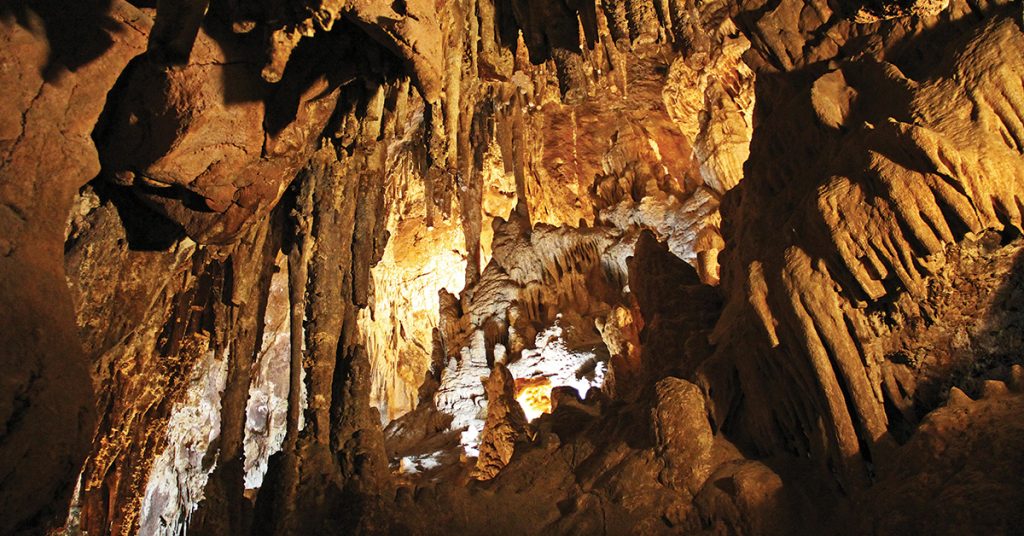
Underground Wonders of Arizona!
When temps hit 110° outside, where do you go to escape the heat? If your family is looking for cool fun and adventure, maybe consider taking a short trip…UNDERGROUND!
There are some caves and mines around Arizona that stay at a cool 70° come rain or shine! Lucky families who schedule and take these tours will learn the amazing stories about these underground spaces. And if you’re into geology and earth sciences, you’ll deeply appreciate these places.
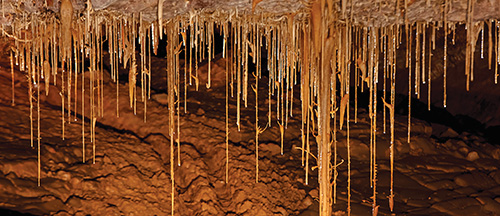
Limestone Caves in Arizona
The spectacular Kartchner Caverns and Colossal Cave are both limestone caves in Southern Arizona. While the limestone built up more than 300 million years ago (before dinosaurs roamed the earth), the hollow spaces that formed happened much more recently.
For Kartchner Caverns, the limestone (calcium carbonate often produced by sea creatures) was forced upward 10–15 million years ago to form the Whetstone Mountains. For Colossal Cave in Tucson, the limestone (along with large deposits of granite) rose to create the Rincon Mountains about 80 million years ago. Cracks, called faults, were also part of the mountains.
Millions of years ago, slightly acidic rainwater seeped through the faults and began to dissolve the limestone, creating huge rooms and cave passages. Over the last 200,000–800,000 years, spectacular formations like columns, stalagmites and stalactites formed from this mineral-rich water, drip by drip.
Kartchner Caverns State Park
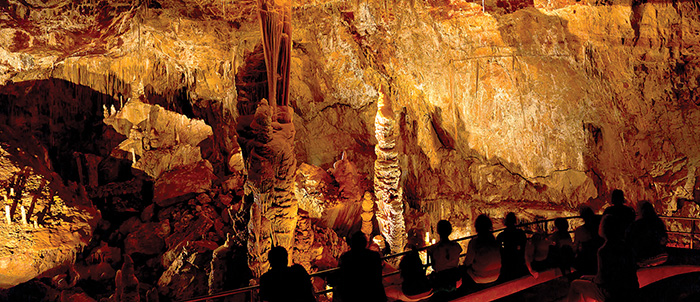
A living, breathing cave with thousands of delicate and incredible formations, Kartchner Caverns is the geological jewel of Arizona State Parks, located just south of Benson and north of Sierra Vista.
The Kartchners are a long-time ranching family in Southeastern Arizona with teachers and doctors. Riding horses on their ranch, the dad noted parts of these hills “sound hollow.” The horses’ hooves were clopping over the cave ceiling!
But it wasn’t until 1974 that amateur cavers Randy Tufts and Gary Tenon came across a small opening to the cavern. Bats roosted in the breathtaking cave, and many of the limestone formations, known as speleothems, were still growing drip by drip. So the two kept the cave a secret for years. Eventually they let the Kartchners know and together they worked on how to best protect this geological gem.
Eventually, the Nature Conservancy got involved, and Kartchner Caverns was sold to Arizona State Parks, which carefully developed lighting and walkways through it, and built a visitor center, trails and campgrounds outside. The caverns opened to the public in 1999. Reservations for tours are strongly recommended. azstateparks.com/kartchner/
Colossal Cave—History & Fun!
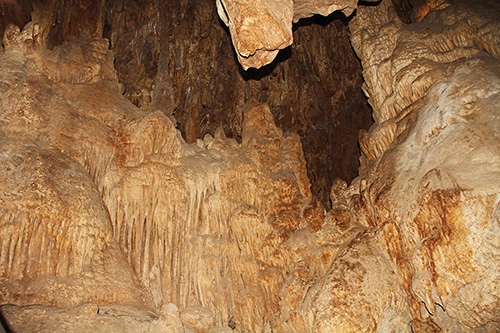
Colossal Cave in Tucson is one of the largest
dry caves in North America.
One of the largest dry caves in North America, Colossal Cave has a long and colorful history. The formations date back to when mineral-rich underground water dripped throughout the place. But that water dried up around 4,000 years ago, making it a dry dormant cave.
The cave goes on for miles and has different descending levels that visitors can tour! The Native Hohokam used the upper parts of Colossal Cave for shelter and ceremonies from 900 to 1450 AD.
In 1879, rancher Solomon Lick came across the cave and claimed it as part of his other businesses. Then in April 1887, train robbers used Colossal Cave as a hideout and did it again after robbing the same train later that year. Legend has it that their loot may still be hidden in there!
But the real treasure turned out to be the bat guano (accumulated poop), which was “mined” and sold to fertilize crops. In 1917, auto tours started, and in the early 1920s, the owner led lantern tours.
To help pull the country out of the Great Depression, the Civilian Conservation Corps employed men to build roads for the park and to run electricity and build walkways and ladders inside the cave (starting in 1934). This is also when the cave and surrounding land was handed over to Pima County.
Fun and unforgettable tours are offered at Colossal Cave now, from its Classic Cave Tour to its Ladder Tour to special school and group tours. Visit ColossalCave.com for costs and more info.
Arizona Mining Adventures
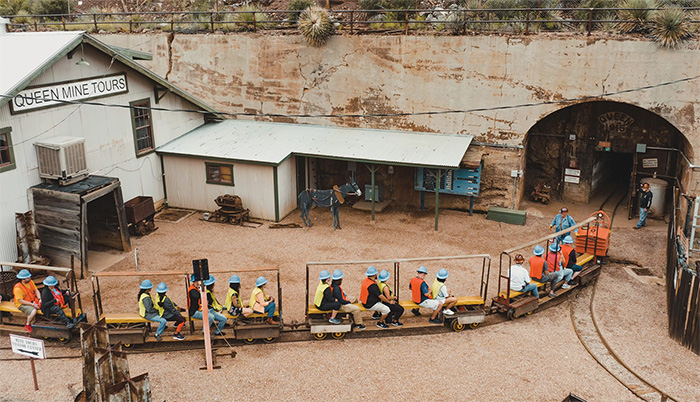
Caves aren’t the only things underground. There are some fun & cool mine tours, too!
The Copper Queen Mine Tour in Bisbee is a fun ride and tour that gives you a taste of what it’s like to be an underground miner. The town got its start as a rough mining town in 1880 with the Copper Queen leading the way. It was a boomtown and quickly became the largest city between St. Louis and San Francisco! Temps are cooler up in Bisbee, and really nice inside the mine. For info and booking tours go to copperqueenmine.com.
On the more entertaining side of things, there’s the Iron Door Mine at Old Tucson, the famous movie-making location for Westerns. This walking tour includes a rickety bridge to cross and shivering timbers along with some surprise finds. Included with admission, look under the Live Entertainment “more info” button at oldtucson.com.
The State Mine Inspector has a Child Mine Accident Prevention Program.
Arizona has thousands of mines—some still active and some abandoned. You need to stay out of abandoned mines you might come across (and caves, too). Stay Out & Stay Alive!
For safety tips, more information and a free PDF coloring book that includes fun games and activities visit asmi.az.gov.