
How Hot Is Too Hot?
Most Phoenix and Tucson folks are used to living here in the Sonoran Desert. It has a hot and usually arid climate, but also has two rainy seasons—the monsoon that’s winding down and the winter rains.
But animal and plant experts here are concerned. Consecutive triple-digit temperatures, some exceeding 110° F for highs, may be too much for ICONIC desert species like rattlesnakes and saguaros.
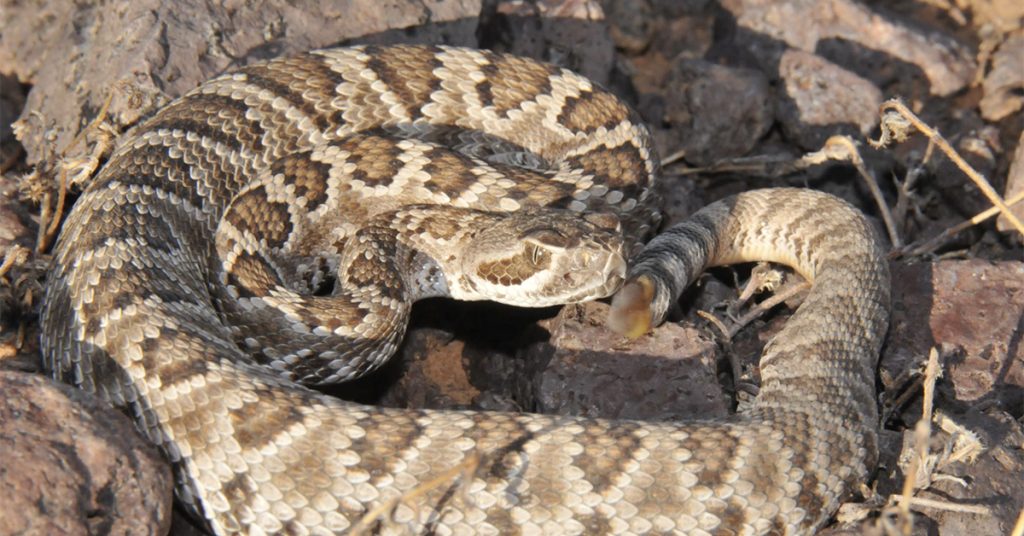
Mike Cardwell studies diamondback rattlers north of Tucson. He and his team surgically implant devices in snakes that transmit their location and their body temperature. When temperatures in July 2023 topped 110° F for a few days, he was alarmed that two of his slithery subjects died while trying to escape the summer heat underground.
Diamondbacks and other native rattle-snakes have adapted to the wild temperature changes of the desert (in winter, evening temps can drop to below freezing while in summer, nighttime temps can drop 50° F from the daytime highs). Unfortunately, when triple digits hit day after day, underground temperatures rise closer to surface temps. Snakes have evolved to tolerate the heat and the cold and the swings between night and day. But Cardwell points out that rattlesnakes do not handle extreme heat. “They love being warm, but they don’t love being hot,” he told the Arizona Republic. This was the first time any of his study subjects had died while sheltering underground.
Cities and surrounding desert are not cooling off at night like they once did. This has caused stately saguaros, some over 60 feet tall and over a century old, to fail. Experts explain that these famous plants need the cooler temps to open up their pores and allow for gas exchange and cooling. Usually about 1–2% of saguaros die, but in 2023 the rate spiked to 7%. Since then, it has fallen to 3%.
AZ Desert Facts
• Sonoran Desert temps can drop over 50° F from day to night
• Saguaros can live up to 300 years