
Asteroid Sample Worth More than Gold!
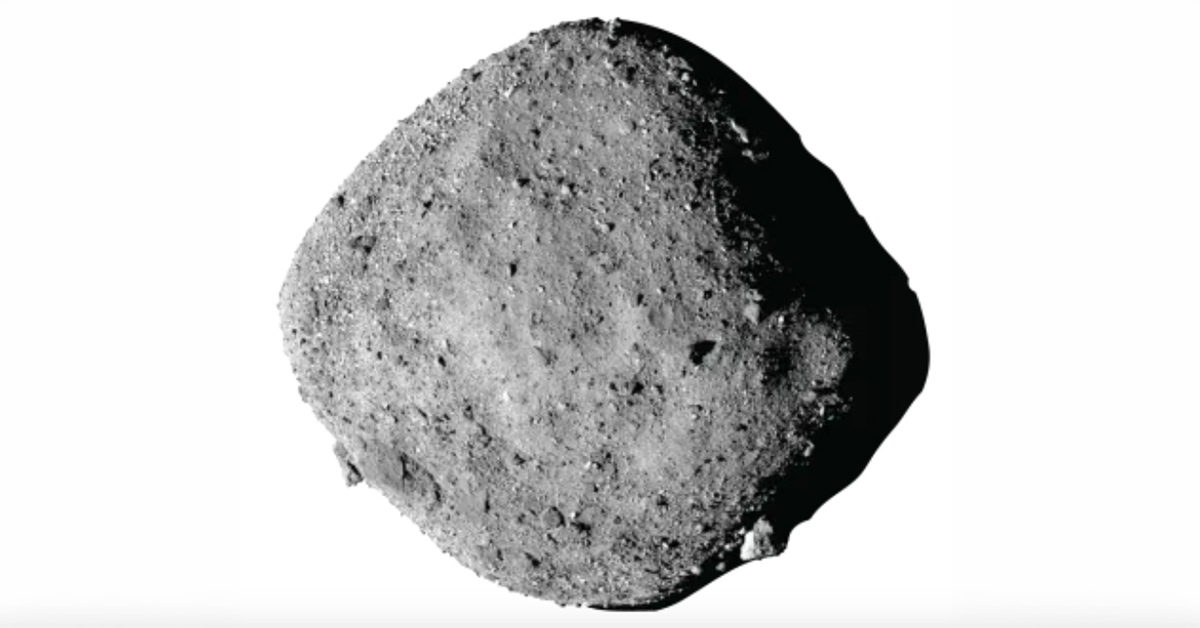
An ambitious mission to catch up to an ancient asteroid hurtling through space at 63,000 mph has paid off in some very big ways!
Ten years ago, the OSIRIS-REx sample return mission launched, led by the UofA. The NASA spacecraft zoomed toward a carbon-rich asteroid called Bennu. It took just over two years and 2 billion miles to reach the asteroid. The spacecraft orbited the rock, mapping its entire surface before flying close enough to NAB a big sample of Bennu and deliver it to scientists.
Bennu is around 4.5 billion years old and experts believe these types of asteroids formed when our solar system got started. NASA distributed Bennu samples to scientists worldwide, hoping to better understand the origins of our solar system and to find what early chemistry existed that might have led to life.
Many experts THEORIZE that asteroids that hit early Earth may have deposited the chemical building blocks that led to life on our planet!
For the past few months, scientists have shared some of their remarkable discoveries. In December, scientists from a Japanese university published their discovery of two types of sugar—ribose and glucose—which are essential to forming life. California researchers found a hardened, gum-like material in their sample that could also help lead to life.
More building blocks to life, known as amino acids, are present on Bennu. In fact, 15 of the 20 amino acids that all life on Earth stems from are present on Bennu. Scientists weren’t expecting to find signs of life in the samples, but could such ancient asteroids have delivered the chemistry that led to life on Earth and maybe elsewhere?